Many homeowners in Tacoma face wiring limits and need clear steps for EV charger installation in Tacoma, WA.
This guide explains permits, electrical panel upgrades, how to choose a level 2 charger or a Tesla Wall Charger, and when to call an EV electrician Federal Way.
Keep reading.
Any homeowner in Tacoma facing wiring limits needs clear steps for EV charger installation in Tacoma, WA. Tacoma Power offers bill credits for qualifying Level 2 chargers, which can lower your overall investment. This guide explains permits, electrical panel upgrades, how to choose a Level 2 charger, and when to call an EV electrician.
Every home in Tacoma needs the right power setup for safe electric vehicle charging. You should check if your electrical panel and circuit breakers can handle a new Level 2 charging station, or if you might need electrical services like an upgrade. At Staley Electric, our certified technicians verify your home electrical infrastructure by checking panel capacity, circuit breakers, and the service line to the house. Residential customers in Tacoma and Puyallup often undergo this step during the installation process.
We will note whether an electrical panel replacement or home rewiring is required to ensure the project meets all electrical inspection and permit requirements. This assessment also confirms whether the local electric grid can support the additional load. Panel space is a significant factor because 240-volt outlets require a minimum circuit size of 30 amps, though many Level 2 charging units list a 20-amp minimum. Our installers perform dedicated circuit installation and may add whole-home surge protection or generator services if necessary. Owners in Pierce County and King County should plan for potential panel upgrades and coordination with local utilities and safety rules.
Installing an electric car charger in Tacoma involves specific permits and regulations. You are required to use a licensed electrician for the installation of 240-volt outlets to comply with local rules. Without this professional approval, your installation may not meet legal or safety standards.
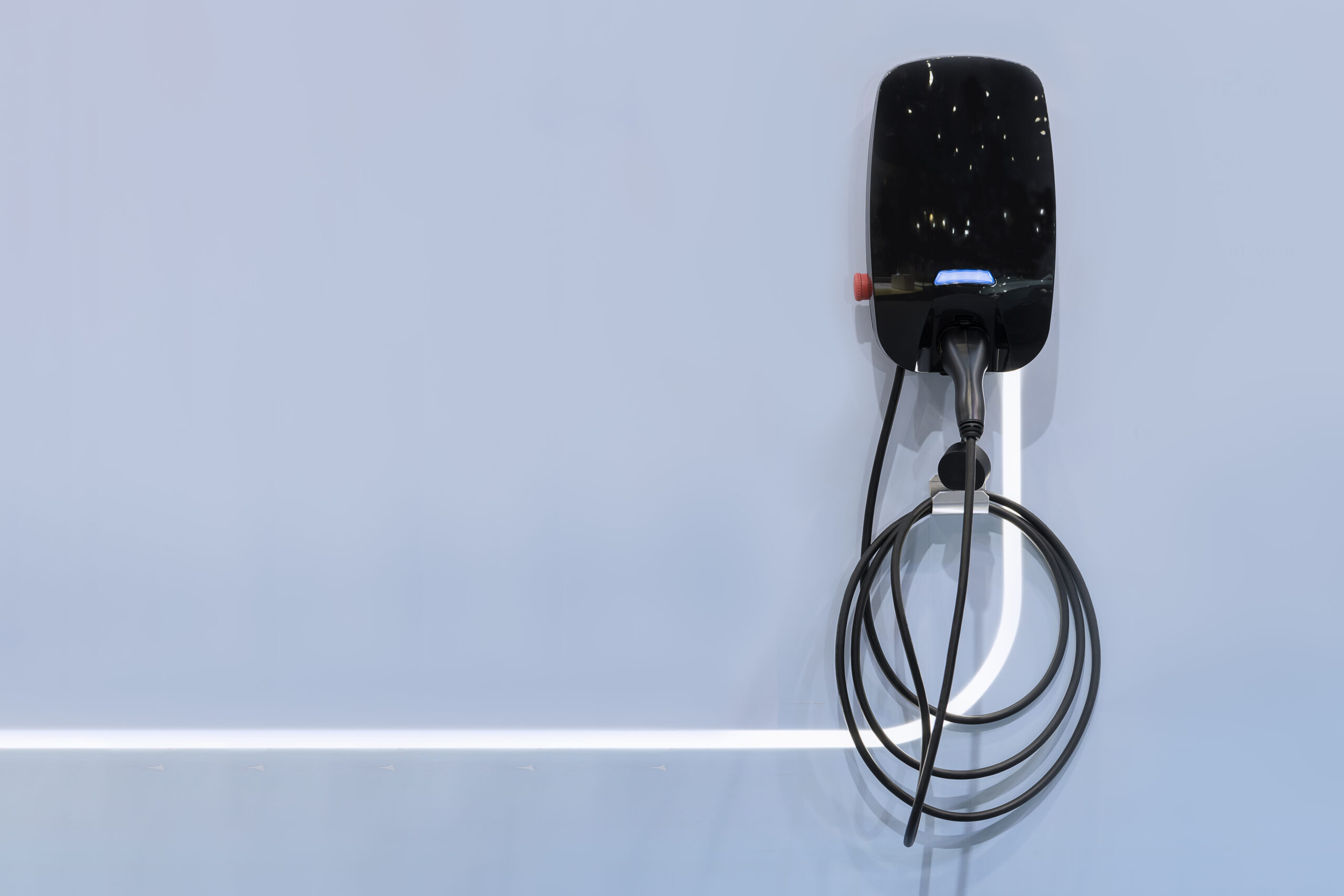
Choosing the right EV charger is key for your home. You will generally choose between a Level 1 and a Level 2 charger. A Level 1 charger works with standard outlets but takes longer to charge your vehicle, making it best for overnight top-ups. A Level 2 charger charges much faster but requires a 240-volt outlet. You should also consider whether you want the unit hardwired or if you prefer a plug-in option, as plug-ins are easier to move if you relocate.
Level 1 chargers use a standard 120-volt outlet and draw about 12 amps, providing a low power output that is suitable for drivers with low daily mileage. In contrast, Level 2 chargers run on 240-volt power and require a minimum of 20 amps on a 30-amp circuit. While Level 1 units are usually plug-and-play, Level 2 units are available in both plug-in and hardwired versions and often require professional installation and permits. Level 2 chargers are the preferred choice for daily commuters and multi-car homes due to their speed and convenience.
Hardwired and plug-in chargers each have specific benefits for homeowners. Hardwired units are permanent setups often installed for higher amperage needs, such as 40-amp or 48-amp units, and they require a licensed electrician for a secure connection. Plug-in models often use a heavy-duty cord for use with an existing 240-volt outlet, making them easy to replace or move to a new garage. Both types must meet safety standards to qualify for local rebates. Smart splitters can also be used in either configuration to help manage the electrical load. Choosing a hardwired setup is ideal for long-term, high-speed charging, while plug-in units offer more flexibility.
The installation process starts with an assessment of your electrical system where a professional checks if your panel can handle the extra load.
A pre-installation assessment is crucial for setting up an electric car charger at home. This step ensures that your electrical system can support the new equipment. A certified technician from Staley Electric will assess your home’s electrical setup and check for available space in the panel for a 240-volt circuit. We will help you find the best spot for the charger by considering both your practical needs and the layout of your home. This evaluation confirms whether your setup meets the minimum circuit requirements and identifies any necessary upgrades to your infrastructure. These assessments also ensure compatibility with local rebate requirements and provide guidance on how to use smart chargers to meet your goals. This thorough evaluation helps you avoid problems later, ensuring everything works smoothly from the first day.
A proper installation of your EV charger is essential for reliability. At Staley Electric, our licensed electricians perform all installations to guarantee safety and ensure all 240-volt outlets or hardwired connections meet high standards. We verify that chargers meet recognized safety guidelines to keep you safe while charging at home. We also help provide the necessary documentation, such as photos of the installation, which are often required for rebate approval. During setup, our installers test the functionality of the charger to ensure it works as expected and matches your home’s electrical capacity to prevent overloaded circuits. Final safety inspections are completed before you begin using the charger to provide peace of mind for residents in Tacoma and surrounding areas like Puyallup, Olympia, and Bremerton.
Installing an EV charger at home is a smart move that saves you time while providing a convenient way to power your vehicle. By choosing the right charger and following local rules in Tacoma with professional help, the process will be handled safely. You can then enjoy the benefits of having a reliable charging station right where you live.