Electrical safety is a critical concern for homeowners, particularly in areas like Tacoma, where weather conditions can lead to power surges and other electrical hazards. This article delves into essential electrical safety solutions, including comprehensive inspections, surge protection, and necessary upgrades. Readers will learn about the importance of regular electrical inspections, the benefits of surge protection devices, and the advantages of upgrading electrical panels. By understanding these aspects, homeowners can ensure their electrical systems are safe, efficient, and compliant with local codes. This guide will cover key components of electrical inspections, the role of GFCI outlets, and practical maintenance tips for Tacoma residents.
A home electrical inspection in Tacoma is a thorough evaluation of the electrical system to ensure safety and compliance with local codes. This process involves checking various components to identify potential hazards and ensure the system operates efficiently. Regular inspections are vital for preventing electrical fires and ensuring the safety of residents. Homeowners should schedule inspections every few years or when significant changes are made to the electrical system.
Key components of residential electrical safety inspections include inspecting the condition of wiring to prevent overheating and electrical fires, ensuring circuit breakers are functioning correctly to protect against overloads, and verifying that grounding systems are intact to prevent electrical shock. These components are essential for maintaining a safe electrical environment in homes.
Licensed electricians play a crucial role in ensuring that homes comply with local electrical codes. They are trained to understand the specific requirements set forth by the National Electrical Code (NEC) and local regulations. Compliance is vital as it helps prevent electrical hazards and ensures the safety of the home’s occupants. Failure to comply can result in fines and increased risk of electrical failures.
Installing surge protectors in residential homes significantly enhances safety by protecting electrical devices from power surges. These surges can occur due to lightning strikes, power outages, or fluctuations in the electrical grid. By investing in surge protection, homeowners can safeguard their electronics and appliances, reducing the risk of costly damage.
Surge protection devices offer several benefits for Tacoma area homes. They absorb excess voltage, preventing damage to sensitive electronics. This protection extends to devices like computers, televisions, and appliances, shielding them from electrical damage. Additionally, installing surge protectors is a relatively low-cost investment compared to the potential cost of replacing damaged electronics. These benefits highlight the importance of surge protection in maintaining the longevity of home electronics.
Recent advances in surge protection technology have led to the development of smart surge protectors that integrate with home automation systems. These devices not only protect against surges but also provide real-time monitoring of electrical usage. Homeowners can receive alerts about potential issues, allowing for proactive management of their electrical systems.
GFCI (Ground Fault Circuit Interrupter) outlets are essential for preventing electrical shock in areas where water is present, such as kitchens and bathrooms. These outlets detect imbalances in electrical current and shut off power to prevent accidents. Installing GFCI outlets is crucial for enhancing safety in homes, particularly in wet areas.
GFCI and AFCI (Arc Fault Circuit Interrupter) devices are designed to prevent electrical shock and fires. GFCI outlets are specifically used in wet areas, while AFCI devices protect against electrical fires caused by arcing faults. Understanding the differences between these devices is essential for homeowners to ensure comprehensive electrical safety.
To ensure GFCI outlets function correctly, homeowners should test them monthly to ensure they are operational. It is also important to keep the outlet clean and free from moisture to maintain proper function. If the reset button does not work or the outlet feels warm, it may need replacement. Regular testing and maintenance of GFCI outlets are vital for ongoing safety.
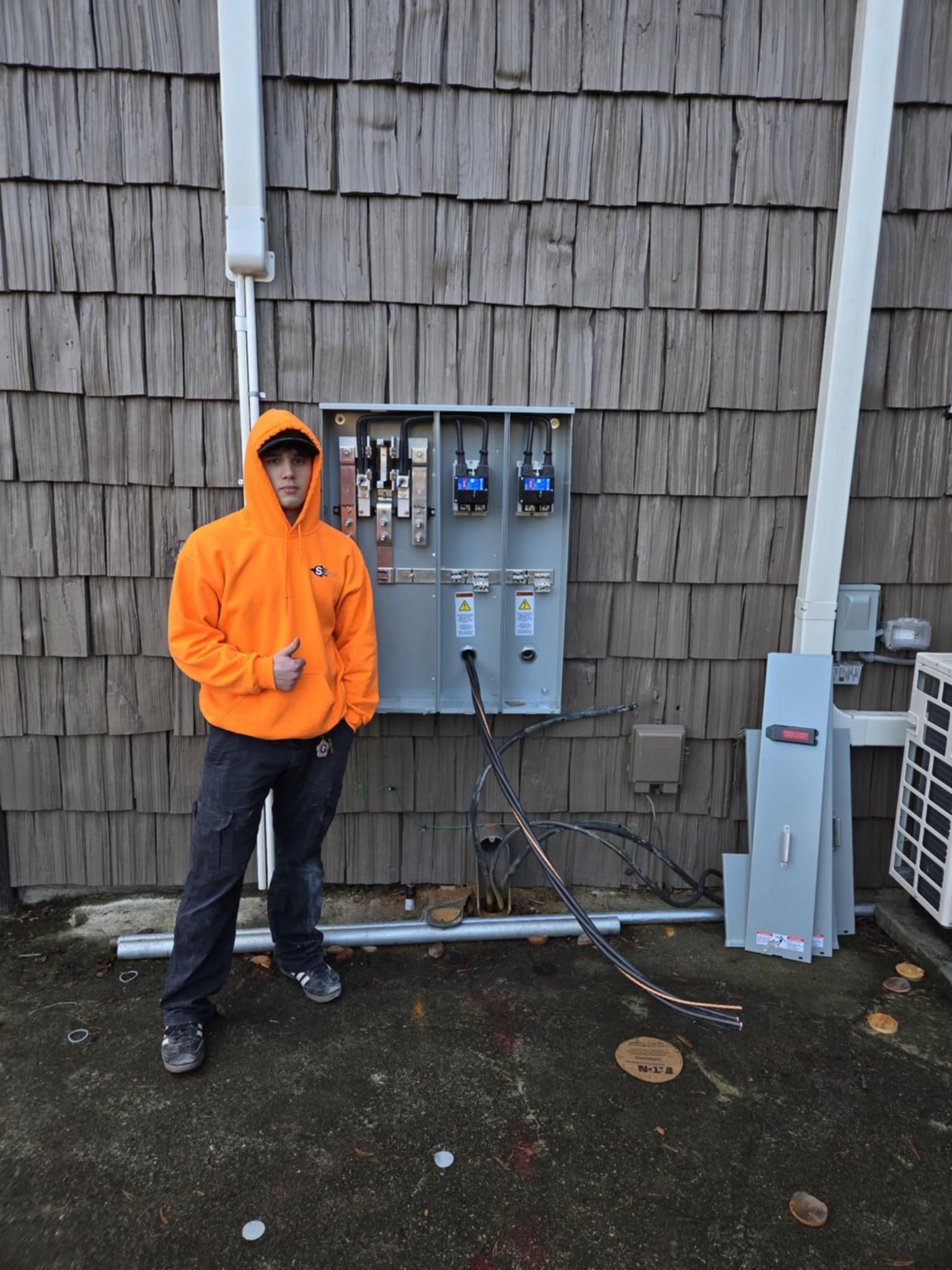
Upgrading electrical panels is essential for improving safety and accommodating modern electrical demands. Older panels may not support the increased load from new appliances and technologies, leading to potential hazards. Upgrading ensures that the electrical system can handle current and future needs.
Homeowners should look for signs indicating that an electrical panel upgrade is necessary. Frequent circuit breaker trips suggest that the panel is overloaded. Panels over 25 years old may not meet current safety standards, and if new appliances cannot be used without tripping breakers, an upgrade is needed. Recognizing these signs can help prevent electrical issues and enhance safety.
Upgraded electrical panels improve safety by incorporating modern circuit breakers that provide better protection against overloads and short circuits. Additionally, they support smart home technologies, allowing homeowners to manage their electrical systems more efficiently. This integration enhances energy efficiency and safety.
Tamper-resistant outlets are designed to prevent accidental electrical shocks, particularly in homes with children. These outlets have built-in shutters that only open when a plug is inserted, reducing the risk of foreign objects being inserted.
The installation of tamper-resistant outlets offers several benefits. They significantly reduce the risk of electrical shock for children by preventing unauthorized access to electrical outlets. Furthermore, many local codes now require tamper-resistant outlets in new constructions, ensuring compliance with safety standards. These benefits make tamper-resistant outlets a smart choice for enhancing home safety.
Compliance with local electrical codes is essential for ensuring the safety of electrical installations. Tamper-resistant outlets are often mandated by code, reflecting the importance of safety in residential electrical systems. Homeowners should consult with licensed electricians to ensure their installations meet all local requirements.
Homeowners can take several proactive steps to maintain electrical safety in their homes. Regular maintenance and safety checks can prevent electrical hazards and ensure systems operate efficiently.
Homeowners should regularly check for frayed wires or damaged outlets as part of their visual inspections. They should also use a tester to ensure outlets are functioning correctly and monitor for any signs of overheating in outlets or appliances. These checks can help identify potential issues before they become serious problems.
Homeowners should call a licensed electrician when they notice signs of electrical problems. Frequent circuit breaker trips may indicate an overloaded circuit or faulty wiring. Flickering lights can signal wiring issues or problems with the electrical panel. Any burning smell near outlets or appliances should be addressed immediately. Engaging a licensed electrician ensures that electrical issues are handled safely and effectively.